Echoes of Heritage: Exploring the Timeless Beauty of Kodava Ainmane Homes
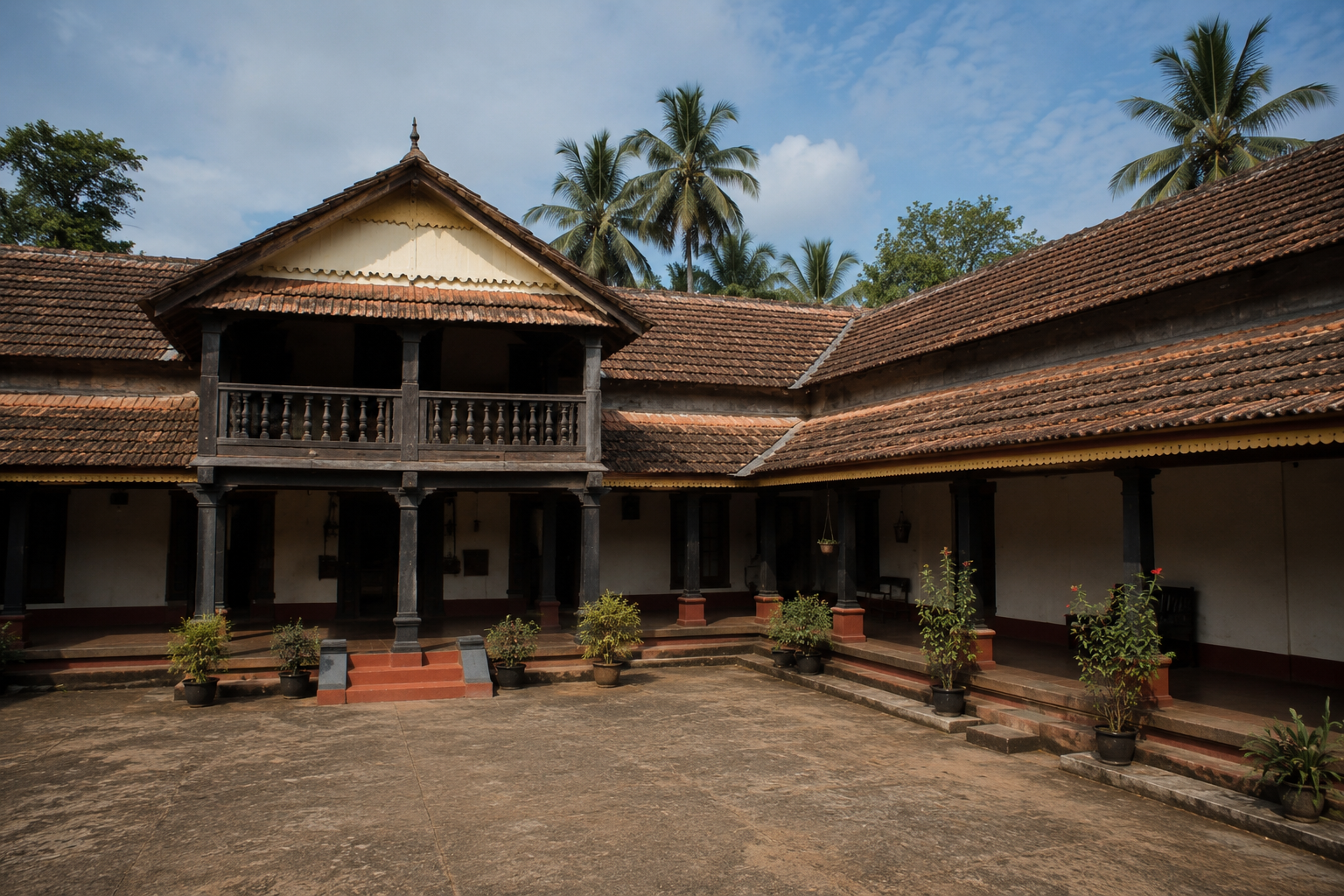
Ainmane, the traditional ancestral homes of the Kodava community, stand as enduring symbols of heritage, family unity, and cultural identity in Kodagu. These large ancestral houses are not merely residences but living monuments that reflect the history and traditions of Kodava clans. Built with spacious courtyards, sloping tiled roofs, carved wooden pillars, and expansive halls, Ainmanes showcase a unique architectural style deeply connected to the region’s climate and way of life.
One of the most remarkable aspects of an Ainmane is its strong connection to family lineage and community values. Traditionally, members of an extended Kodava family gathered in these homes for festivals, ceremonies, and important social occasions. The Ainmane served as the heart of the clan, preserving stories, customs, and rituals that were passed down through generations. Even today, many Kodava families continue to maintain these ancestral homes as symbols of pride and belonging.
The architecture of Ainmane homes reflects both functionality and cultural elegance. Built primarily using wood, stone, and clay tiles, these homes were designed to withstand heavy monsoon rains while maintaining natural ventilation and comfort. Interiors often feature traditional artifacts, antique furniture, ceremonial weapons, and family portraits that provide a glimpse into Kodava history and lifestyle. The serene surroundings of coffee estates and green landscapes further enhance the timeless charm of these homes.
In recent years, Ainmane homes have also become important cultural attractions for travelers interested in heritage tourism. Visitors are increasingly drawn to the opportunity to experience authentic Kodava hospitality, cuisine, and traditions within these historic spaces. Preserving Ainmanes is not only about protecting old buildings but also about safeguarding a rich cultural legacy that continues to define the identity of Kodagu and its people.

.jpeg)