


Nalaknad Palace: Exploring the Royal Heritage and Architectural Beauty of Kodagu
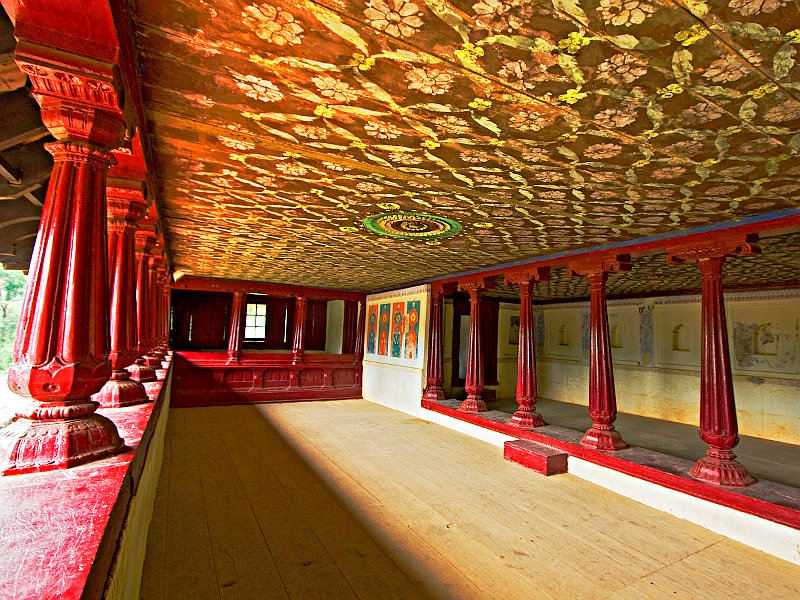
Nalaknad Palace is one of the most fascinating historical landmarks in Kodagu, Karnataka, offering visitors a glimpse into the region's royal past and traditional architectural heritage. Located near Yavakapadi village at the foothills of the Tadiandamol mountain range, this historic palace was built in the late 18th century by Dodda Veerarajendra, a ruler of the Kodagu kingdom. Surrounded by lush greenery, coffee plantations, and scenic hills, the palace reflects the rich cultural history of the region while providing a peaceful atmosphere for history enthusiasts and travellers.
The palace holds considerable historical importance because it served as a refuge for King Dodda Veerarajendra during a period of political conflict and instability. Constructed between 1792 and 1794, the palace became a place where the king could stay safely while strengthening his position and planning the future of his kingdom. Its location, away from major settlements and surrounded by natural landscapes, offered both privacy and protection. The palace therefore represents an important chapter in the history of the Kodagu royal family and the struggles faced by the kingdom during that period.
The architectural beauty of Nalaknad Palace lies in its traditional design, featuring a two-storeyed structure, beautifully carved wooden pillars, decorative ceilings, and historical wall paintings. The palace showcases a blend of regional architectural influences, with detailed woodwork and artistic elements that reflect the craftsmanship of an earlier era. The colourful murals depicting royal processions and other historical scenes add to its cultural significance. A beautifully designed wedding pavilion, known as a Kalyana Mantapa, stands in front of the palace and is associated with the marriage of Dodda Veerarajendra and Mahadevammaji in 1796.
Today, Nalaknad Palace is a protected historical monument maintained by the Karnataka Department of Archaeology and Museums. Its location near Tadiandamol, the highest peak in Kodagu, makes it an interesting destination for travellers exploring the region's natural and historical attractions. Visitors can combine a heritage visit with trekking, nature walks, and exploration of the surrounding villages. The palace is particularly appealing to those interested in Kodava history, traditional architecture, and the royal legacy of the Haleri dynasty. Preserving this remarkable landmark is essential for ensuring that future generations can appreciate and understand Kodagu's rich historical and cultural identity.


.jpg)

