


Vontangadi: Exploring Kodagu’s Rich Heritage and Scenic Beauty
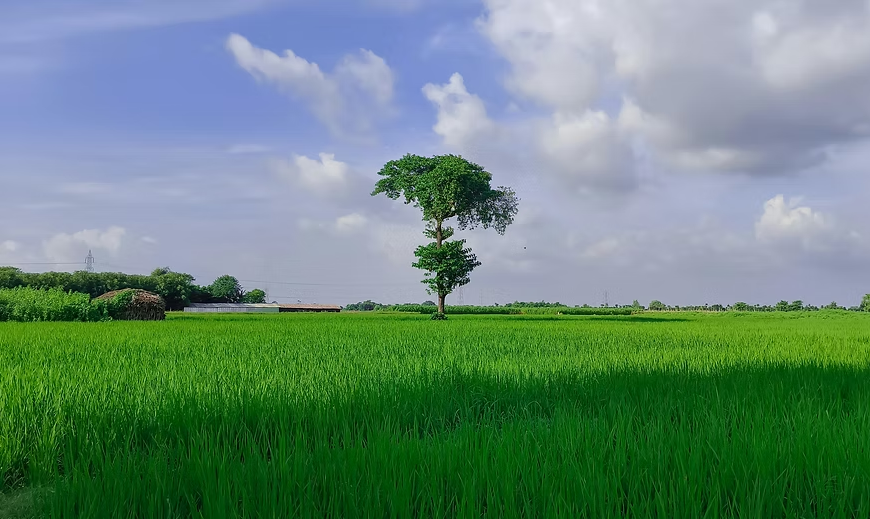
The charm of places in Kodagu often lies in their peaceful surroundings, greenery, and close connection with nature. Depending on the location, visitors may encounter coffee plantations, areca nut gardens, pepper vines, and stretches of countryside shaped by the region's distinctive climate. These landscapes reflect the agricultural heritage of Kodagu, where farming remains an important part of local livelihoods and contributes to the area's cultural identity.
Traditional life is another important aspect of Kodagu's heritage. Community gatherings, local festivals, family customs, and regional celebrations help preserve the values and practices that distinguish the district. The people of Kodagu are known for their strong sense of community and attachment to their ancestral roots, making local places meaningful beyond their geographical boundaries.
For travellers interested in exploring lesser-known destinations, Vontangadi may provide an opportunity to learn more about the local environment and the everyday culture of the region. Responsible travel, respect for private property, and appreciation of local customs can help visitors engage meaningfully with rural communities. Exploring smaller localities also encourages a broader understanding of Kodagu beyond its popular tourist attractions.
Vontangadi can therefore serve as a starting point for appreciating the diversity of Kodagu's rural landscape and cultural heritage. However, detailed information about its specific landmarks, history, and tourist attractions should be verified locally to ensure accuracy. By documenting local stories and preserving traditional knowledge, communities can help future generations understand and value the unique character of their homeland.


.jpg)

